
How to Clean Composite Doors: The Complete Guide for Suffolk Homeowners
The Complete Guide to Cleaning Composite Doors (For Suffolk Homeowners)
Why Composite Doors Still Benefit from Occasional Cleaning
Across Suffolk, homes are exposed to:
- Coastal salt air (Felixstowe, Lowestoft)
- Agricultural dust and pollen
- Autumn leaf debris
- Winter road grit
- Rural moisture and shaded entrances
Composite doors are engineered to handle British weather extremely well. However, light maintenance helps protect:
- The GRP outer skin
- Weather seals and gaskets
- Locks and hinges
- Colour finish and overall appearance
With sensible care, a quality composite door can last 20–30 years or more.
How Often Should You Clean a Composite Door?
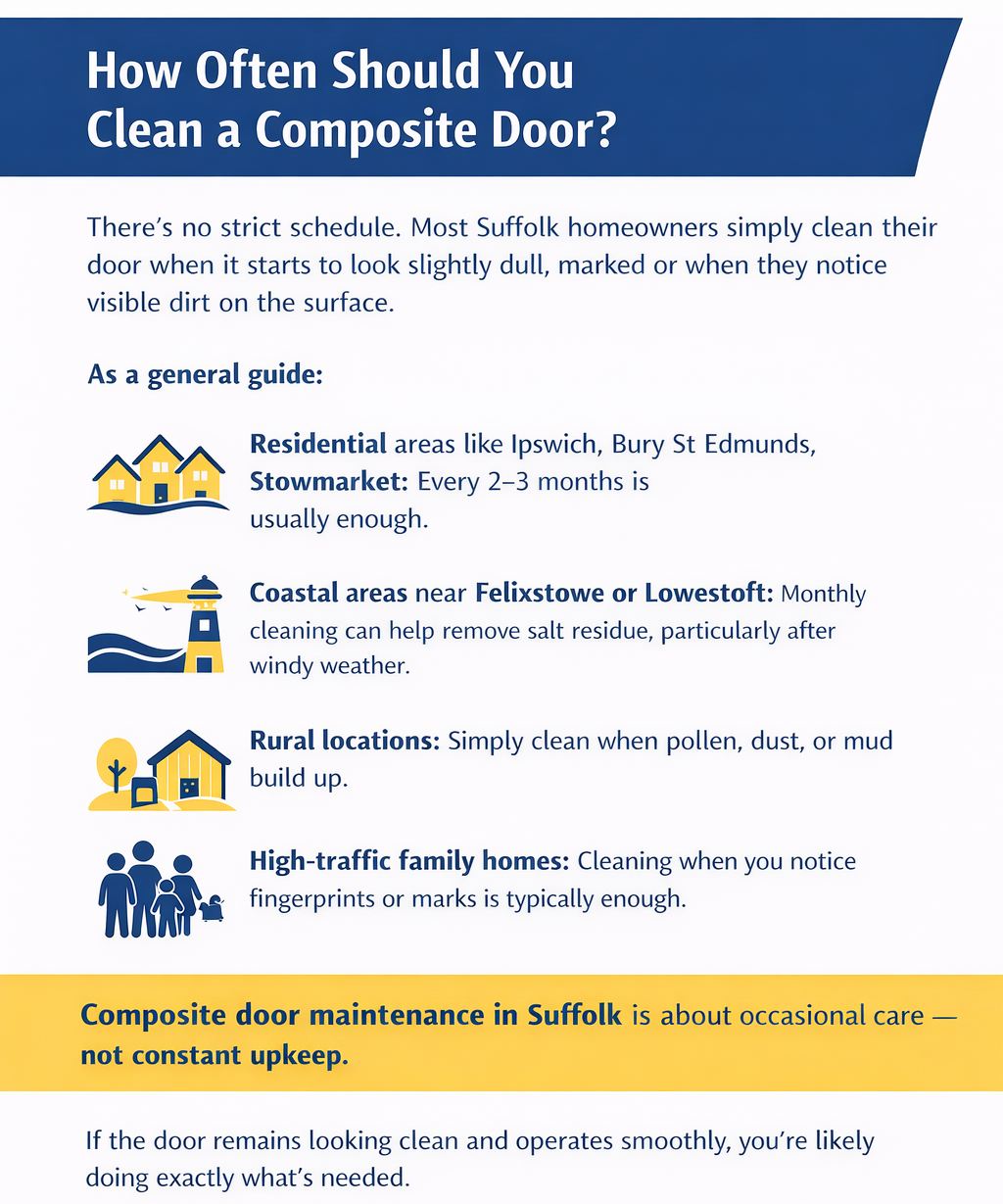
There’s no strict schedule. Most Suffolk homeowners simply clean their door when it starts to look slightly dull, marked or when they notice visible dirt on the surface.
As a general guide:
- Residential areas like Ipswich, Bury St Edmunds, Stowmarket: Every 2–3 months is usually enough.
- Coastal areas near Felixstowe or Lowestoft: Monthly cleaning can help remove salt residue, particularly after windy weather.
- Rural locations: Simply clean when pollen, dust, or mud build up.
- High-traffic family homes: Cleaning when you notice fingerprints or marks is typically enough.
Composite door maintenance in Suffolk is about occasional care — not constant upkeep.
If the door remains looking clean and operates smoothly, you’re likely doing exactly what’s needed.
What You’ll Need to Safely Clean Composite Doors
Basic equipment:
- Microfibre cloths
- Non-abrasive sponge
- Soft-bristle brush
- Warm water
- Mild liquid detergent (pH-neutral)
Optional (for tougher marks):
- Diluted white vinegar (1:3 with water) for mould or marks
- uPVC-safe cleaner
- Silicone spray for hinges and locks
Composite doors are tough, but they don’t respond well to harsh chemicals or abrasive products.
How to Clean Composite Doors in Suffolk (Step-by-Step)
Cleaning The Composite Door
- Dry wipe first gently removing loose dirt with a microfibre cloth.
- Wash with warm soapy water, working top to bottom and avoiding oversaturating seals.
- Clean edges and grooves using a soft brush.
- Rinse with clean water to remove residue.
- Dry thoroughly to prevent streaking.
The process takes around 20–30 minutes.
Cleaning The Doors Glass & Hardware
For glazed panels:
- Spray glass cleaner onto the cloth, not directly onto the glass.
- Buff dry to prevent streaks.
- Avoid ammonia-heavy products near seals
For locks, hinges & letterboxes:
- Wipe clean during washing using a soft-bristle brush
- Lubricate lightly every 6–12 months.
This is particularly helpful during colder Suffolk winters when moisture can affect mechanisms.
Maintaining Locks, Hinges & Hardware
To keep your door operating smoothly:
- Wipe hardware during regular cleaning
- Dry thoroughly
- Lubricate moving parts every 6–12 months
- Check for stiffness during winter
This is particularly helpful during colder Suffolk winters when moisture can affect mechanisms.
Removing Stubborn Marks
- Bird Droppings or Tree Sap,
soften first with warm water. Never scrape the surface.
- Traffic Film (Common Near A-Roads), use a uPVC-safe cleaner if needed.
- Mould or Mildew (Shaded Entrances), apply diluted vinegar solution and rinse thoroughly.
- Light Scuffs, spot-test isopropyl alcohol before careful use.
What Not to Use
Avoid the following items when cleaning a composite door:
- Bleach
- Solvent-based cleaners
- Acetone
- Cream cleaners
- Steel wool
- Abrasive pads
- Pressure washers
Pressure washing in particular can force water into seals and reduce long-term performance.
What Happens If You Never Clean Your Composite Door?
Composite doors are durable and low maintenance— neglect won’t cause sudden failure.
However, over time you may notice:
- Surface dulling from dirt, pollution or salt air
- Seal wear from grit build-up, slowly reducing their effectiveness.
- Stiffer locks due to dust accumulation in moving parts, increasing friction and long-term wear.
- Mould in shaded entrances
None of these are immediate concerns as composite doors are robust products, but occasional cleaning helps prevent long-term wear and keeps the door looking presentable.

When to Speak to a Professional
If you notice:
- Persistent seal deterioration
- Ongoing mould growth
- Lock alignment problems
- Deep scratches
- Stiff or failing mechanisms
It may be sensible to get advice.
Suffolk Doors & Windows support homeowners across Ipswich, Bury St Edmunds, Felixstowe, Lowestoft and surrounding areas with composite door maintenance, adjustments, and replacement advice where necessary.
Sometimes reassurance is all that’s needed. Sometimes a small adjustment prevents a larger issue later.
Frequently Asked Questions About Composite Doors
Can I pressure wash a composite door?
No. Pressure washing is not recommended for composite doors. High-pressure water can damage seals, dull the protective GRP finish, and force moisture into locks or hardware, leading to stiffness or alignment issues.
For safe cleaning, use warm soapy water, a soft cloth, and a gentle rinse with clean water.
Avoid abrasive products and high-pressure jets.
Why does my composite door look dull?
A composite door may look dull due to UV exposure, weathering, salt or traffic film build-up, or using harsh cleaning products.
In most cases, it’s cosmetic and can be improved with gentle cleaning and appropriate surface care.
If fading or roughness is significant, professional advice may help.
Correct cleaning, as shown in this article, should prevent this happening.
How long do composite doors last?
Describe the item or answer the question so that site visitors who are interested get more information. You can emphasize this text with bullets, italics or bold, and add links.Do darker composite doors fade?
Yes, darker composite doors can fade over time, especially with prolonged UV exposure.
Doors facing south or west receive more direct sunlight, which can accelerate fading compared to shaded or north-facing doors.
Most modern composite doors have UV-resistant finishes, so any fading is usually gradual and cosmetic.
Regular cleaning and proper surface care help maintain colour depth and appearance.
How do I remove stubborn stains or marks on composite doors?
- Bird droppings or sap: soften with warm water, then gently wipe
- Traffic film or dirt: use a uPVC-safe cleaner
- Light scuffs: test isopropyl alcohol on a small area first
- Mould: apply diluted white vinegar, then rinse thoroughly
What products are safe for cleaning composite doors?
Use warm water, mild pH-neutral detergent, a soft sponge or microfibre cloth, and a soft-bristle brush for grooves.
Avoid bleach, solvents, acetone, abrasive pads, or pressure washers.
Why should you clean a composite door?
You should clean a composite door to maintain its appearance, protect the GRP outer surface, and extend its lifespan.
Regular cleaning removes dirt, salt deposits and environmental pollutants that can cause discolouration or surface damage, helping your door stay looking new and perform properly for years.
Final Thoughts on Cleaning Composite Doors in Suffolk
Composite doors are popular across Suffolk for good reason. They’re secure, energy efficient, weather resistant, and importantly, low maintenance.
Most Suffolk homeowners only need to clean their doors occasionally to keep them looking their best.
There’s no need for over-maintenance — just practical, periodic care suited to your location and environment.
If you ever need advice about composite doors in Suffolk — whether cleaning, maintenance, or replacement — Suffolk Doors & Windows are available to help.
Contact Suffolk Doors & Windows
Have questions about cleaning, maintaining, or servicing your composite doors in Suffolk?
Our team can provide expert advice, inspections, and professional support to keep your doors looking and working their best.
Call us:
01787 703662
Email:
info@suffolkdoorsandwindows.co.uk
Visit:
www.suffolkdoorsandwindows.co.uk
Get in touch today and ensure your composite doors in Ipswich, Bury St Edmunds, Felixstowe, Lowestoft, and surrounding areas stay in top condition.

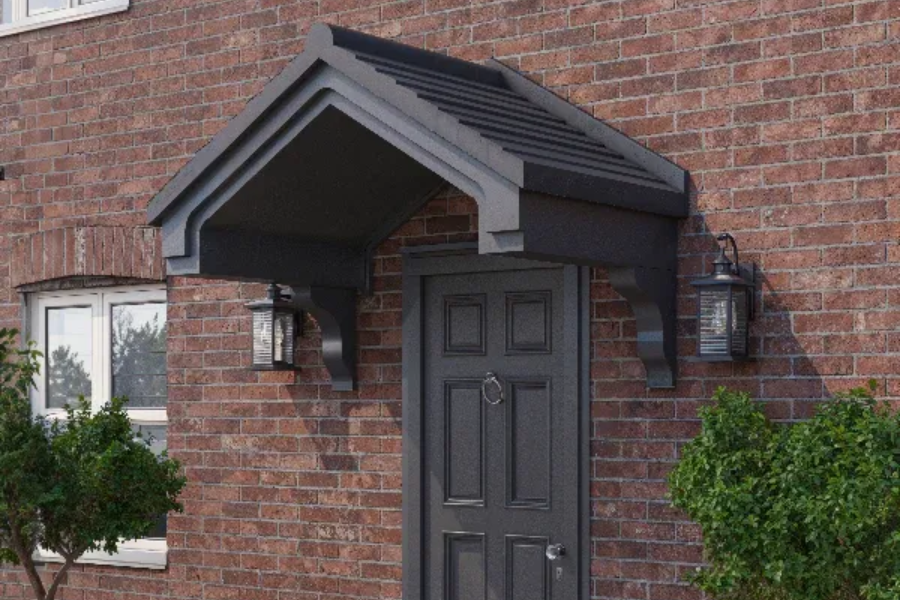
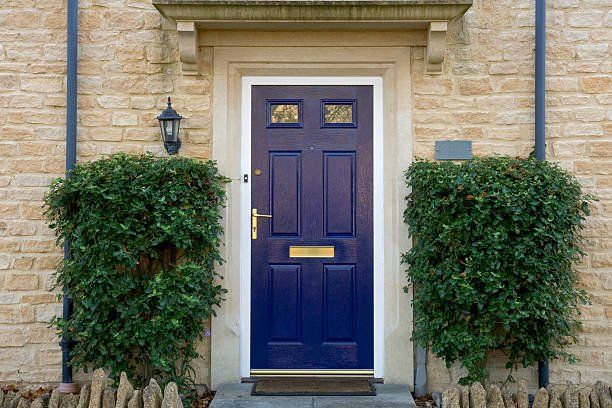
How to Clean and Maintain Composite Doors Suffolk – Durable GRP Front Door Example
Range of composite doors Suffolk for homes, showing durable composite GRP front doors, low-maintenance exterior doors, and stylish composite door designs for residential, coastal, and rural properties
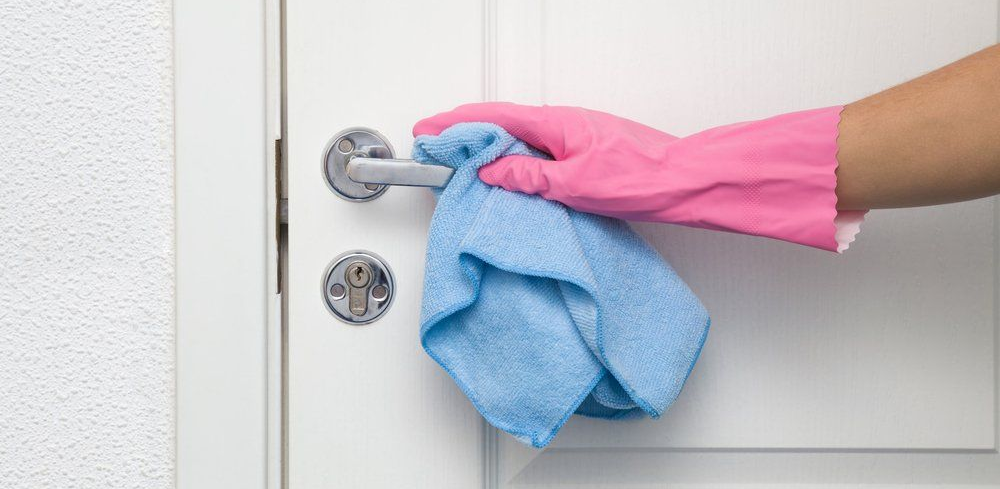
Composite Doors Suffolk: Step-by-Step Cleaning and Maintenance Tips
Composite doors for Suffolk homes, showing durable composite GRP front doors with secure locks, low-maintenance panels, and stylish designs. Perfect example of a composite door that is easy to clean and maintain, ideal for residential, coastal, and rural properties in Suffolk. Step-by-step guidance for composite door maintenance, cleaning tips, and long-lasting exterior door care.
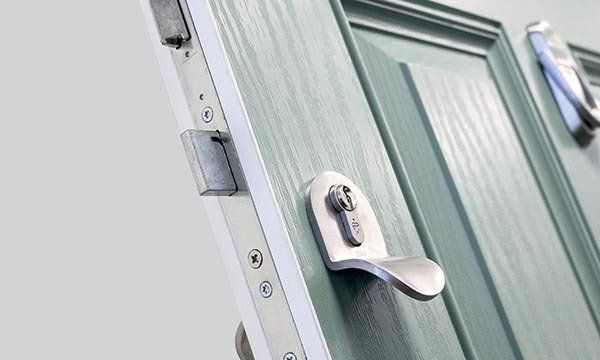
Cleaning and Caring for Composite Doors in Suffolk: Expert Advice
Composite door hardware Suffolk showing locks, handles, and hinges for front doors, with guidance on how to clean and maintain composite doors, low-maintenance GRP exterior door care, and proper upkeep of residential door fittings
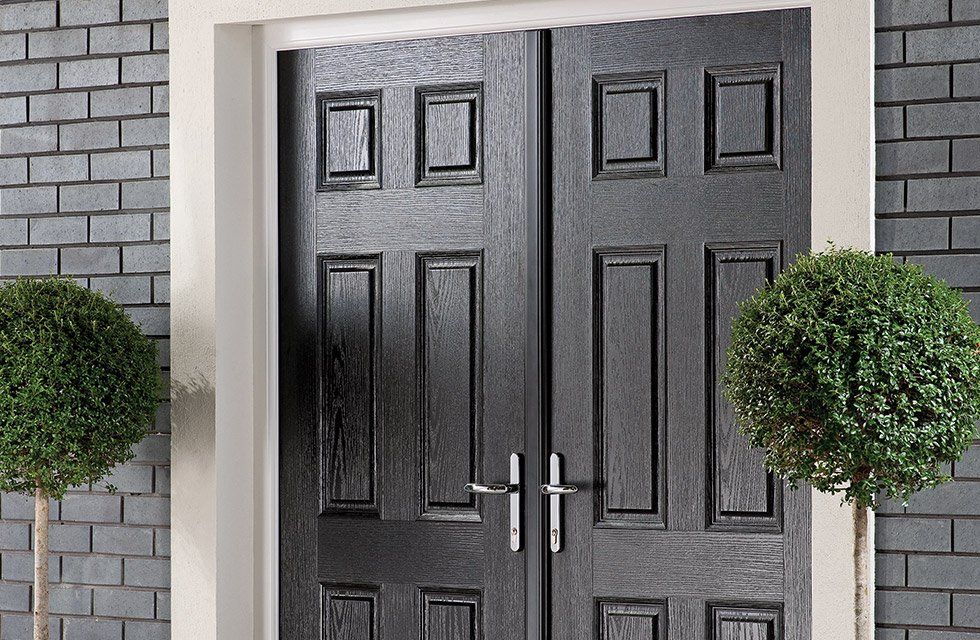
Suffolk Composite Doors: Simple Cleaning Tips for Long-Lasting Performance
Composite doors for Suffolk homes, showing durable composite GRP front doors with secure locks, low-maintenance panels, and stylish designs. Perfect example of a composite door that is easy to clean and maintain, ideal for residential, coastal, and rural properties in Suffolk. Step-by-step guidance for composite door maintenance, cleaning tips, and long-lasting exterior door care.