
Single, Double, Triple or Secondary Glazing: How Much Difference Does It Really Make?
What the data shows about heat loss, heating costs and carbon reduction in homes across Suffolk’s temperate East Anglian climate.
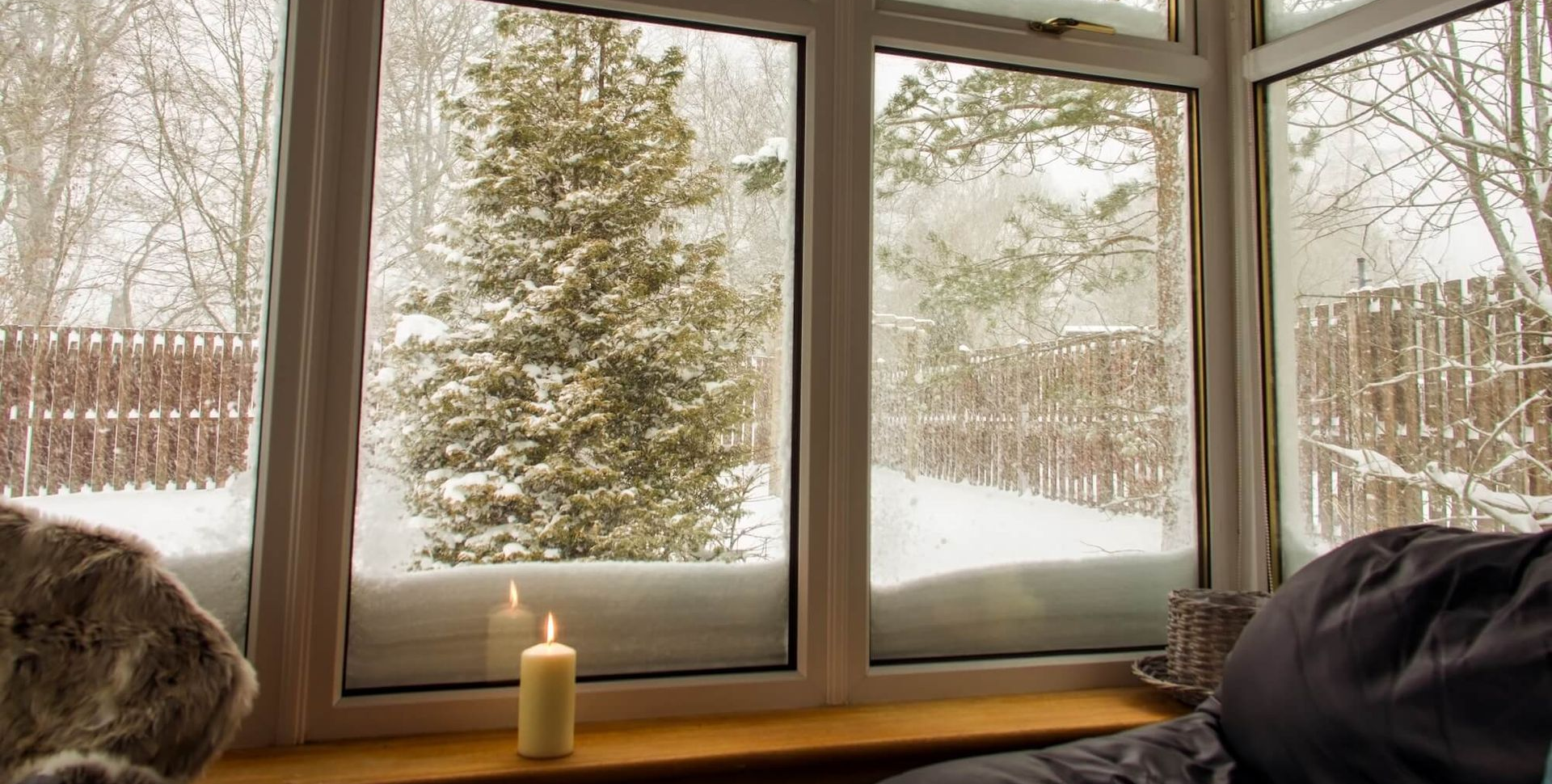
Not all windows are created equal when it comes to keeping a home warm and energy-efficient. From traditional single glazing to modern triple glazing, or even adding a secondary layer to existing windows, each option offers different levels of insulation, cost savings, and environmental benefits.
For homeowners in Suffolk and the surrounding areas, understanding these differences can make a real impact on comfort, heating bills, and reducing your carbon footprint.
1. Heat Loss and Insulation Performance (U-Value)
A good way to compare glazing types is by looking at U-values and heat loss reduction — lower U-values mean better insulation and less heat escaping.
| Glazing Type | Typical U-Value (W/m²K) | Typical Heat Loss Compared to Single |
|---|---|---|
| Single Glazing | 5.0 W/m²K¹ | Reference level – highest heat loss |
| Secondary Glazing (with single pane) | 1.8 - 2.5 W/m²K¹ | 50 - 65% heat loss reduction vs single |
| Double Glazing | 1.2 - 1.6 W/m²K² | 60 - 70% heat loss reduction vs single |
| Triple Glazing | 0.6–0.8 W/m²K³ | Up to 70 - 80% heat loss reduction vs single |
Sources: scientific studies and UK-focused glazing guidance on thermal performance.
All statistics are approximations.
Key takeaways:
- Moving from single to double glazing dramatically improves insulation — up to around 50–60% less heat lost through windows.
- Secondary glazing attached internally to an existing single window also supplies a significant improvement — often reducing heat loss by about 60% compared to single glazed units.
- Triple glazing provides the lowest heat loss overall, with U-values and insulation performance that can improve over typical double glazing by another 20–30% or more depending on specific construction.
2. Impact on Heating Costs
Improving glazing has a measurable effect on household heating demand and bills:
- In the UK context, heat loss through windows alone contributes to a significant proportion of overall home heat loss (historically around 20% or more).
- Upgrading a whole home from single to A-rated double glazing can save an average household £120–£155 per year on heating bills (based on typical gas-heated UK homes).
- For larger or detached homes, those savings can be higher (e.g., up to £175–£250 per year).
- Triple glazing can reduce heat loss further and help push annual savings beyond double glazing, with studies indicating additional reduction in heating energy consumption and CO₂ emissions — often cited around 30% or more compared to double glazing under some conditions.
- In terms of real annual percentage savings, double glazing is often reported to cut heating bills by around 15–20% compared with single glazing and triple glazing can reduce them further (with some estimates mentioning up to 30% additional savings compared to double).
3. Environmental Impact & Carbon Reduction
The environmental benefit of better glazing comes mainly from reduced energy consumption, which in turn lowers greenhouse gas emissions.
- Better-insulated windows reduce the need for heating (and cooling in warmer months), which translates directly into lower energy use and CO₂ output.
- For example, switching from single to double glazed windows can reduce household carbon emissions — with one estimate for UK homes reporting a saving of up to around 680 kg of CO₂ per year.
- Triple glazing’s further reduction in heat loss reduces the demand on fossil-fuelled heating systems even more, contributing to greater overall energy savings and lower carbon emissions.
As building regulations evolve (e.g., the UK’s net-zero carbon goals), window standards are tightening, with newer regulations pushing for lower U-values that are easier to achieve with high-performance glazing such as triple glazed units.
4. Secondary Glazing: A Valuable Retrofit Option
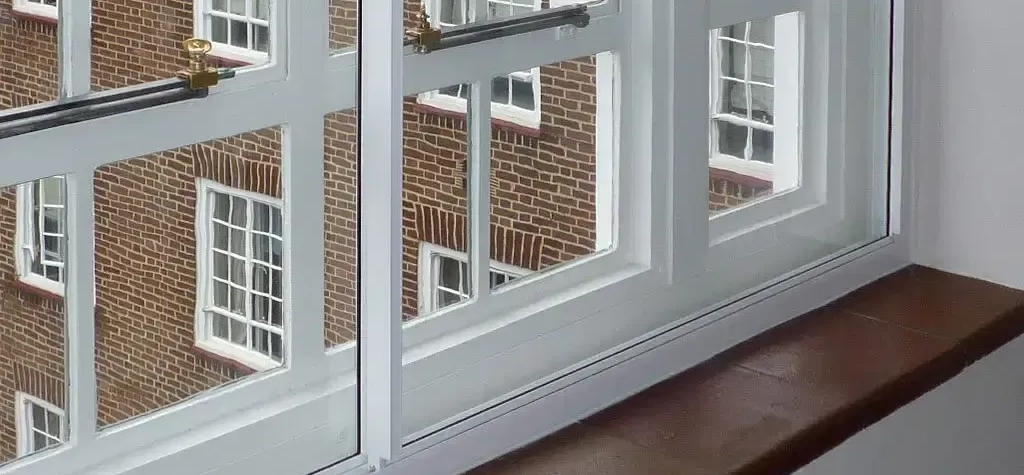
Secondary glazing deserves a separate mention because it can be useful where replacing original windows isn’t possible (e.g., listed or conservation properties).
- Secondary glazing typically produces around 50–65% less heat loss than single glazing and can cut draughts significantly.
- It’s often more affordable than full replacements while still delivering noticeable energy and comfort improvements.
Why Double Glazing Usually Performs Better
Modern sealed double glazing units typically include:
- Low-emissivity (Low-E) coating
- Argon gas filling
- Warm edge spacer bars
- Fully sealed unit construction
These features reduce conductive, convective and radiant heat transfer more effectively than most secondary systems.
When Secondary Glazing Can Be Comparable
Secondary glazing can match or approach double glazing performance when:
- The cavity gap is large (50–100mm or more)
- Draughts are properly sealed
- High-performance glass is used
It may outperform older, uncoated double glazing from the 1980s–1990s.
FAQ Common Glazing Questions About Windows
What’s the difference between single, double, triple and secondary glazing?
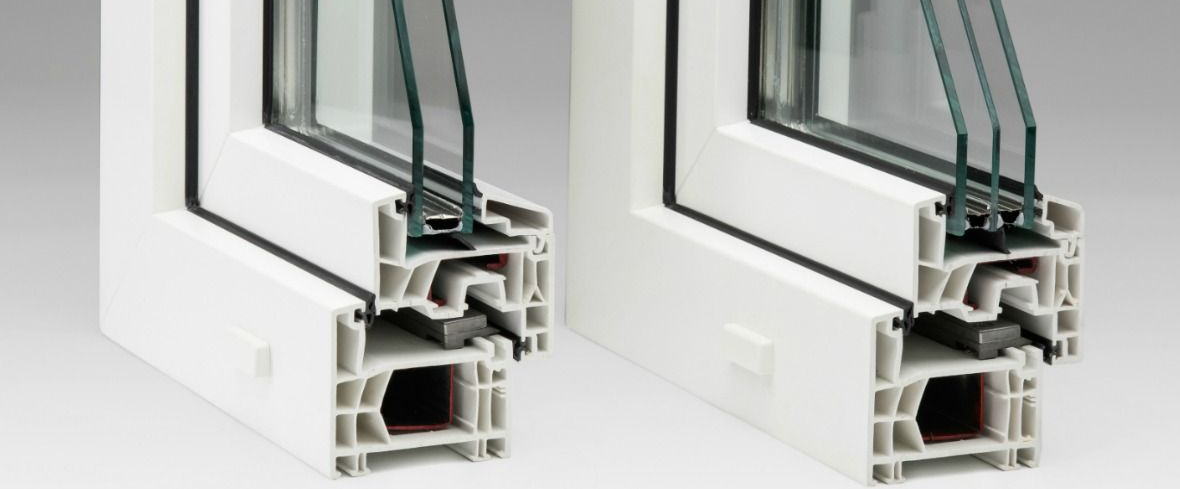
Single glazing has one pane of glass, double glazing has two panes with a sealed gap, and triple glazing has three panes with two sealed gas‑filled gaps, progressively improving insulation.
Secondary glazing adds an additional pane inside an existing window, improving thermal performance without full replacement.
U‑values fall as insulation improves: single is highest (worst), then secondary, double, and triple lowest (best).
What is a U‑value and why does it matter?
A U‑value measures how much heat passes through a window: lower values mean better insulation and lower heat loss.
Triple glazing typically has the lowest U‑value, followed by double glazing, with single glazing highest.
How does secondary glazing compare with double glazing?
Secondary glazing improves heat retention over single glazing and can drop heat loss rates substantially, but it generally doesn’t achieve the same insulation levels as a full double‑glazed unit.
It’s particularly useful in period or listed properties where window replacement isn’t allowed.
Do all glazed windows now have energy ratings?
Standard sealed double and triple glazed windows are tested and can have British Fenestration Rating Council (BFRC) energy ratings from C up to A+++, showing performance levels.
Secondary glazing doesn’t have a fixed rating since it depends on the original window it’s fitted to.
Is triple glazing better at noise reduction than double glazing?
Generally, yes — triple glazing’s extra pane and additional sealed cavity help reduce external noise more effectively than double glazing, which can benefit homes near busy roads or noisy environments.
Summary
- Single glazing is the least thermally efficient and allows the greatest heat loss, which translates into higher heating energy consumption and associated environmental impact.
- Double glazing greatly improves insulation, with typical U-values around 1.2–1.6 W/m²K, cutting heat loss and lowering annual energy bills by significant percentages and amounts in the UK context.
- Triple glazing offers the best thermal performance of the standard glazing options, delivering lower U-values and additional reductions in energy use and emissions, especially beneficial for colder climates or where maximum efficiency is sought.
- Secondary glazing provides an effective retrofit solution when full window replacement isn’t feasible, significantly reducing heat loss and improving comfort.
For homeowners in Suffolk and surrounding areas looking to improve their energy efficiency, reduce heating costs, and decrease environmental impact, these glazing options are all available, from secondary upgrades to high-performance triple glazed solutions, tailored to the property and budget.
Contact Us for Expert Advice on Windows in Suffolk
Ready to protect your property from the elements while enhancing its kerb appeal?
Free, no-obligation quotes are available —get in touch today.
Based in:
Sudbury, Suffolk.
Call us:
Suffolk Doors & Windows –01787 703662
Suffolk Roofline –07904 575 256
Double Glazing Specialists Near Sudbury, Suffolk.