
Secondary Glazing in Suffolk
A warmer, quieter home without replacing your existing windows.
Secondary Glazed Window Upgrades
Suffolk Doors and Windows supplies and installs high quality made-to-measure secondary glazing for homes across Suffolk, including listed buildings and period properties.
Fitted inside your existing windows, secondary glazing adds a separate glazed layer to help reduce heat loss, draughts and outside noise while keeping the original windows in place.
Whether your priority is a quieter bedroom, a warmer living room or retaining period features, we can help you choose a suitable opening style and glass specification. You can improve a single room or include windows throughout your home.
What Is Secondary Glazing?
Secondary glazing is a separate glazed window fitted on the inside of your existing window. The original window stays in place, with a gap between the two helping to reduce heat loss and outside noise.
Sometimes called secondary double glazing, it adds another layer to your existing windows rather than replacing them with sealed double-glazed units.
It is particularly useful if:
- Your rooms feel cold or draughty around the windows.
- Traffic or other outside noise disturbs you.
- You want to keep original sash or casement windows.
- Replacing the windows would affect your home’s character.
- Your property is listed or there are restrictions on alterations.
Keep the Character. Improve the Comfort.
Older windows can be an important part of a home’s appeal. The proportions, timber frames and original glass may be features you want to keep.
Secondary glazing allows those windows to remain, with an additional frame fitted inside. The design can be chosen to follow the existing window divisions and keep its appearance discreet.
You do not need to own a period property to benefit. Secondary glazing can also be worth considering in more modern homes where outside noise remains a problem.
Reduce Outside Noise
Secondary glazing can make bedrooms and home offices quieter throughout the year. Acoustic glass and the gap between windows help improve sound insulation.
Granada’s published data, extrapolated from physical tests, shows a single-glazed timber window rated at 29 dB Rw reaching a combined rating of 47–51 dB with specified secondary glazing and a 200mm gap. Higher ratings mean better sound insulation.
Results depend on your windows, glass, gap and installation. We assess the space and noise concerns before recommending a suitable system.
Reduce Heat Loss and Draughts
Secondary glazing helps make cold spots near windows more comfortable. The extra glass and seals reduce heat loss and draughts, while low-emissivity (low-E) glass reflects heat back indoors.
Granada’s calculations show a timber window’s U-value falling from 4.7 to 1.5 W/m²K with specified secondary glazing, low-E glass and a 50mm gap, around 68% less heat transfer through that window. (This is not a 68% saving on heating bills.)
Lower U-values mean better insulation. Actual performance depends on your existing window and secondary glazing specification.
Secondary Glazing for Listed Buildings
Replacing windows in a listed building can be complicated, especially when they contribute to its historic character.
Secondary glazing retains the original windows. Careful positioning preserves their appearance and accommodates shutters and decorative surrounds.
Do I need listed building consent?
Historic England advises that reversible secondary glazing generally does not need listed building consent, unless it affects the building’s special interest—for example, by damaging historic frames, panelling or shutters.
Check with your council’s conservation officer before work begins so the advice reflects your property and proposed installation.
Read Historic England’s guidance on improving historic windows
→
Secondary Glazing: Local Planning and Conservation Guidance
Grade II Listed Homes in Babergh and Mid Suffolk
If your home is Grade II listed and falls within Babergh or Mid Suffolk, a local consent order may cover your secondary glazing installation without a separate listed building consent application, provided its conditions are met.
The order does not cover Grade I or Grade II* buildings. Check the council’s conditions and pre-start notification requirements before arranging work.
View the council’s secondary glazing consent guidance
Homes in Conservation Areas
Being in a conservation area is different from being individually listed. Secondary glazing may offer a way to improve comfort while retaining the existing windows, but any restrictions should be checked with your local planning authority.
Granada Secondary Glazing to Suit Your Windows
We use Granada Glazing for our secondary glazing installations. Its made-to-measure aluminium systems offer several ways to open the secondary window, with a choice of frame colours and glass specifications.
The right design should fit comfortably into everyday life, including opening your windows and reaching them for cleaning.
Vertical Sliding
Panels slide up and down, following the arrangement of a traditional sash window.
Often suited to: sash windows where you want the secondary glazing to follow the original design.
Horizontal Sliding
Panels slide sideways to provide access to the existing window without opening into the room.
Often suited to: wider windows and many casement layouts.
Hinged Units
These open inwards, giving access to the window behind and allowing a clear, uninterrupted pane.
Often suited to: windows with enough room for the hinged panel to open.
Lift-Out Panels
The glazed panel lifts out of its frame when access is needed. Its size, weight and handling need to be considered.
Often suited to: windows that are opened less frequently.
Not sure which would work? Send us a photograph of your windows and tell us what you would like to improve.
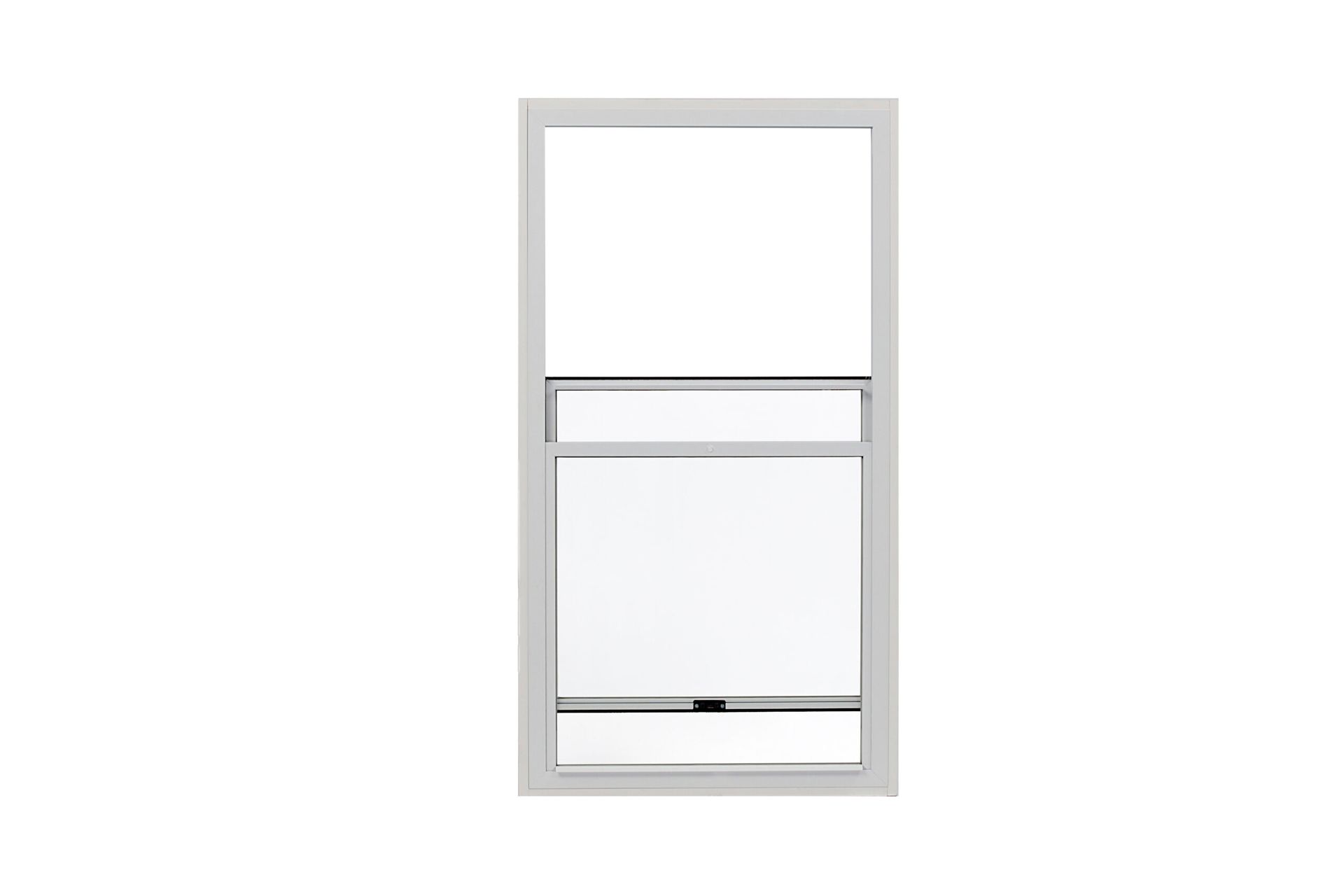
Vertical Sliding
Vertical sliding secondary glazing for sash windows, with panels that slide up and down.
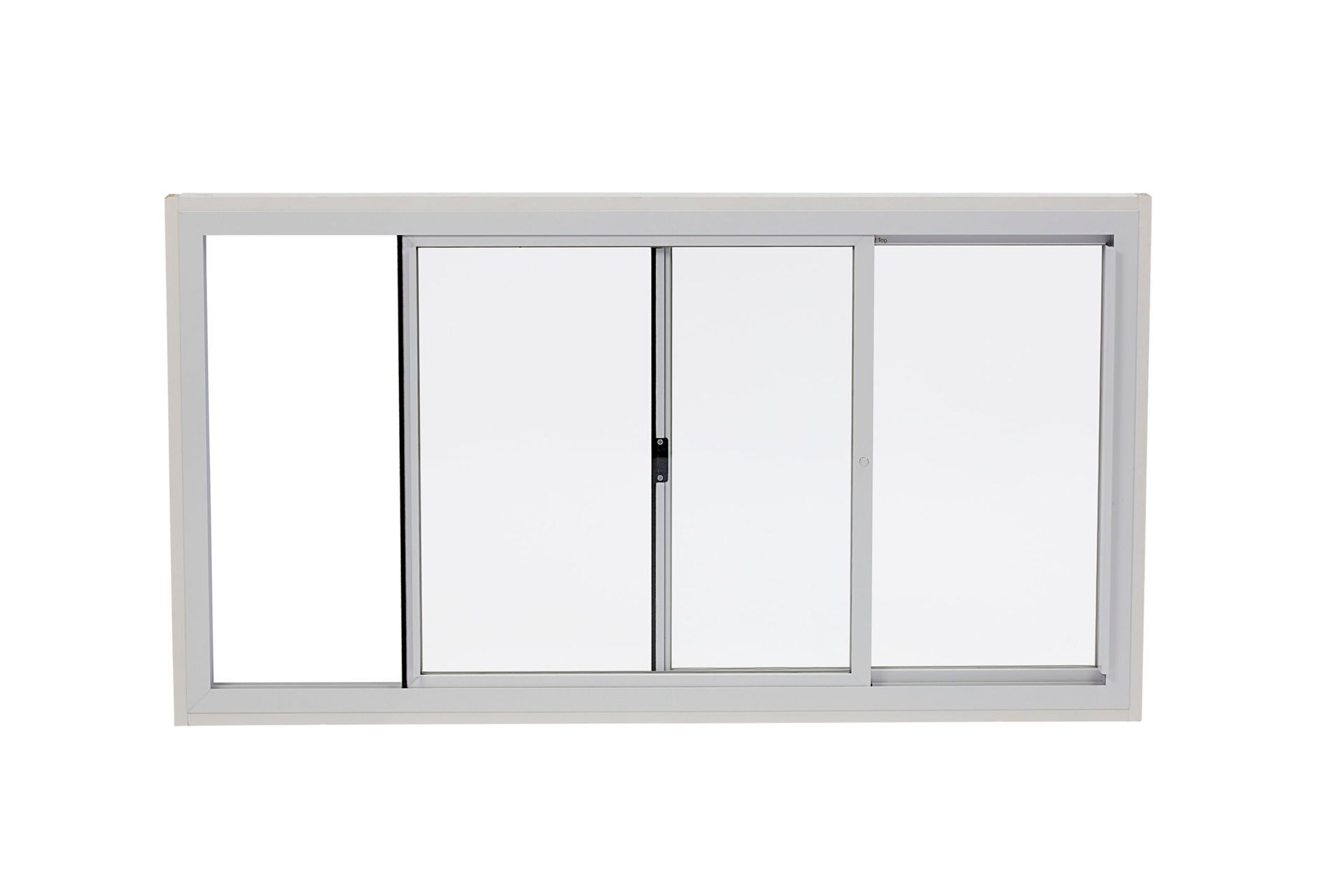
Horizontal Sliding
Horizontal sliding secondary glazing with sideways-opening panels for ventilation and easy cleaning.
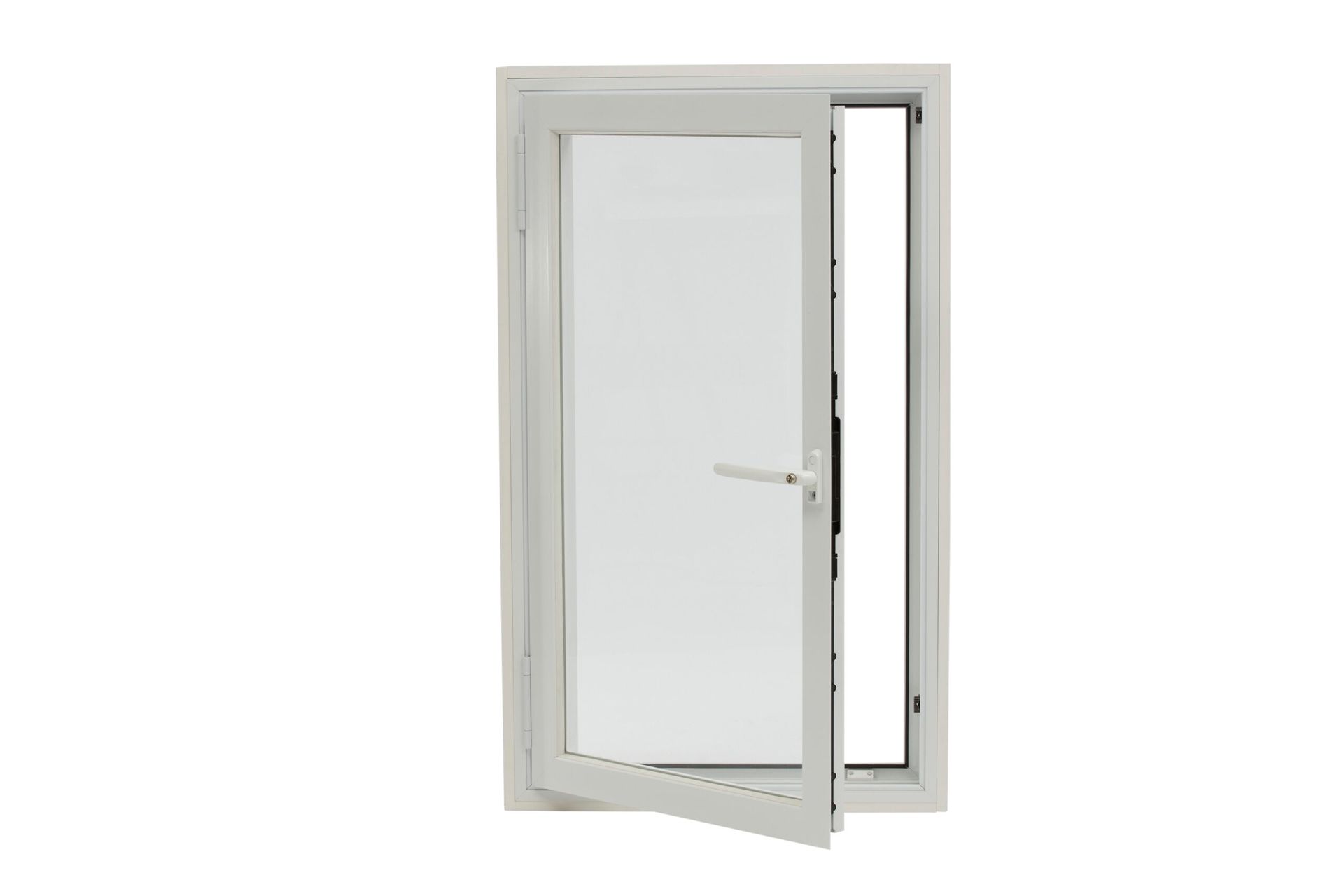
Hinged Unit
Hinged secondary glazing that opens inwards like a door, offering clear views and easy window access.
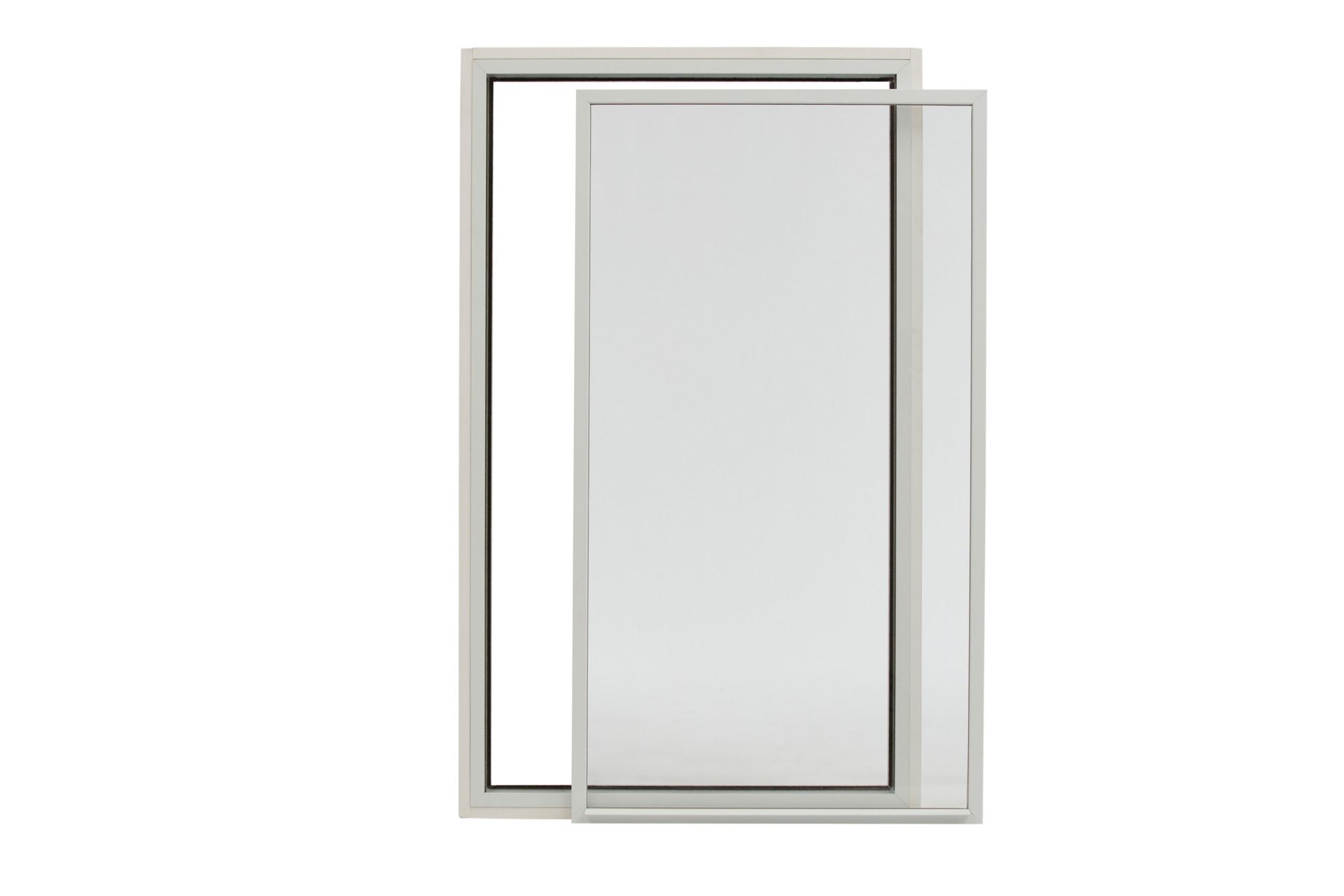
Lift Out
Lift-out secondary glazing with removable panels for windows needing occasional access.
Experienced Local Installers
Suffolk Doors and Windows is a family-run business based in Sudbury, with more than 20 years of experience in the window and door industry.
We have already completed secondary glazing installations and can help you consider the details that matter: the appearance of the frames, how the windows will open and whether warmth, noise reduction or both are your priority.
You do not need to arrive knowing which product or glass to choose. Start by telling us what is bothering you about your existing windows.
How Much Does Secondary Glazing Cost?
The price depends on the size and number of windows, the opening style, glass specification and fitting requirements. Unusual shapes and particular finishes can also affect the cost.
For an initial enquiry, it helps to send:
- Your postcode.
- Photographs of the windows from inside.
- The approximate number of windows.
- Whether your main concern is noise, cold or both.
- Whether the property is listed.
We can then discuss the options and what is needed to prepare an accurate quotation.
Your Questions Answered
Can I still open my windows?
Yes, with an appropriate opening design. Sliding, hinged and lift-out systems provide different ways to reach the existing window. The choice should take account of ventilation, cleaning and any escape-window requirements.
Can secondary glazing be fitted over existing double glazing?
Yes, it can be suitable, particularly where outside noise is still a problem. The available space and the condition of your existing windows will help determine whether it is worthwhile.
Will it be noticeable?
There will be an additional frame on the inside. Slim profiles, suitable colours and careful alignment with the original window can help make it less prominent. Your existing external windows remain in place.
Does it stop condensation?
It is not a guaranteed cure. Condensation depends on moisture levels, ventilation and surface temperatures, as well as the window arrangement. If you already have condensation, mention it when you enquire so it can be considered when choosing the installation.
Do I have to do the whole house?
You can ask for a quotation for selected windows or rooms. If your main concern is a noisy bedroom or a cold living room, that is a sensible place to start the conversation.
Find Out What Would Work in Your Home
Tell us about your windows and what you would like to change. We can talk through the options and arrange the next step towards a quotation.
Based in Sudbury, we install secondary glazing for customers across Suffolk.
Call: 01787 703662
HOME IMPROVEMENTS
LOOKING FOR REPLACEMENT DOUBLE GLAZED SASH WINDOWS INSTEAD?
"You don't have to live with sticky, rattly, draughty and tatty looking windows!"
Attractive period designs ✔
Smooth running mechanisms ✔
High quality uPVC build ✔
Energy & money saving ✔
Added home security ✔
10 year warranty ✔